

Lamination is a thin plastic layer bonded to paper or card to protect it from moisture, creases, fingerprints and daily wear. People use it for certificates, ID cards, menus, signs, posters, price lists and marketing materials. The two choices that matter most are the finish (gloss, matte or soft touch) and the thickness of the film.
This guide explains each option in plain language so you can ask for the right thing the first time.
What Lamination Does
- Protects from spills and moisture, so a menu or notice survives wet wipes.
- Stops tearing and creasing, which matters for documents handled every day.
- Keeps colors and text looking fresh for longer.
- Gives a finished, professional look to certificates, cards and printed marketing.
Lamination Finishes
Our lamination service covers gloss, matte, soft touch and anti glare finishes, for documents, cards, signage and marketing materials.
| Finish | Look and feel | Good for |
|---|---|---|
| Gloss | Shiny, bright colors | Photos, posters, colorful flyers |
| Matte | Flat, calm, less reflection | Documents, reports, certificates |
| Soft touch | Smooth, velvety feel | Premium cards and covers |
| Anti glare | Reduced reflections | Signs and displays under bright light |
If you are not sure, choose matte for text heavy documents and gloss for image heavy pieces.
How Thick Should Lamination Be?
Laminating pouches are measured in microns, where a higher number means a thicker and stiffer film. Fellowes, a laminating equipment maker, lists pouch thicknesses of 80, 100, 125, 175 and 250 microns, with 80 for basic everyday protection and thicker film for more protection. The general rule is simple: thin film for flexible everyday items, thick film for items that need to be rigid and durable.
| Thickness | Feel | Typical use |
|---|---|---|
| Around 80 microns | Light and flexible | Everyday documents and notices |
| Around 125 microns | Firmer | Menus, price lists, frequently handled sheets |
| Around 175 microns | Stiff | Cards, signs and items handled often |
| Around 250 microns | Very rigid | Heavy duty cards, tags and displays |
Ask the lamination shop which thickness they use for your item, and tell them how it will be handled.
Which Items Are Commonly Laminated?
- Certificates and permits, to protect important papers.
- ID and access cards, where durability matters.
- Menus and price lists, which get handled and wiped.
- Posters and notices, for indoor display.
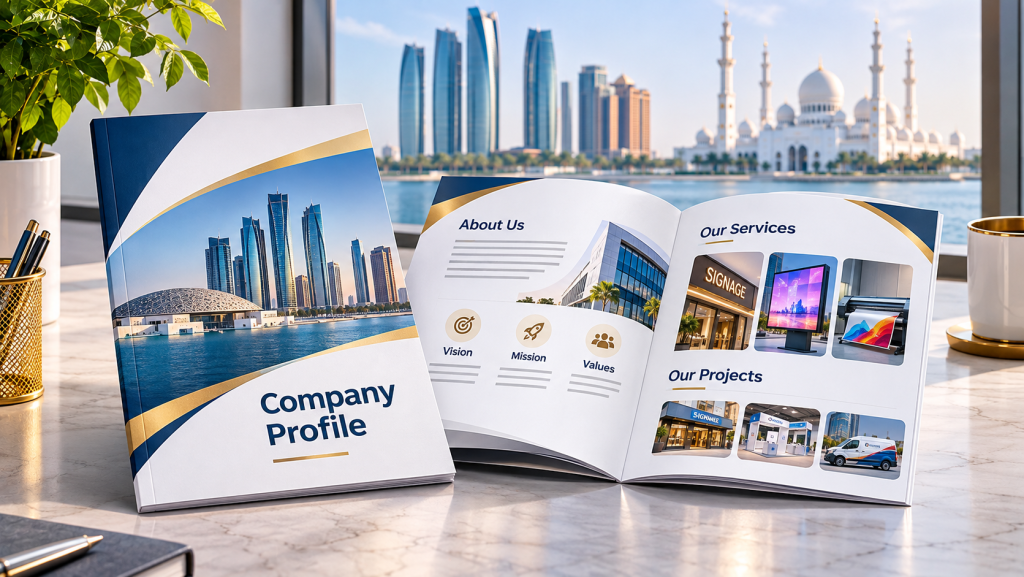
- Brochures, covers and company documents, for a premium finish. See our company profile printing page for covers with matte or gloss lamination.
- Signs and instruction sheets, such as the ones used for safety notices. Our guide to safety signage compliance explains where durable signage is required.
Lamination or Printing on a Sturdier Material?
For a single document, lamination is the quickest and cheapest protection. For a sign that will hang outdoors for years, laminated paper is not the right answer, because paper still absorbs moisture at the edges and fades in sunlight. In those cases, ask about a printed sign on a suitable substrate or acrylic signage. If you want a durable adhesive print, see our stickers printing service.
Tips for Better Lamination Results
- Send the finished, dry document. Lamination traps moisture and wrinkles.
- Leave a small margin around the edge if the item must be sealed at the edge.
- Choose finish and thickness for the way it will be used, not just for looks.
- Make copies of important originals first. Laminated documents are hard to separate without damage.
- Check the rules for official documents. Some official papers should not be laminated because it can stop authorities from checking security features. Ask the issuing authority if you are unsure.
Choosing a Lamination Shop Near You
Look for a shop that can explain the options without jargon, shows samples of finishes, can handle your sizes and quantities and gives a clear turnaround time. For bulk or large format jobs, ask in advance, because machines have size limits. Our wider printing services in Abu Dhabi can combine printing and lamination in one order, which saves time.
Related guide: company profile design and printing in Abu Dhabi, where lamination is a common cover finish.
Frequently Asked Questions
What is lamination?
Lamination bonds a thin plastic film to paper or card to protect it from moisture, wear and dirt.
What is the difference between matte and gloss lamination?
Gloss is shiny and makes colors look bright. Matte is flat, reduces reflection and gives a more subdued, professional look.
What is soft touch lamination?
Soft touch is a matte finish with a smooth, velvety feel, often used on premium covers and cards.
How thick should laminating film be?
It depends on the item. Thin film suits flexible everyday documents, while thicker film suits menus, cards and items that need stiffness. Common pouch thicknesses range from 80 to 250 microns.
Can I laminate an official document in Abu Dhabi?
Be careful. Lamination can hide or damage security features on some official documents. Check with the issuing authority before laminating originals, and use a copy where possible.
Can lamination be removed?
Not easily. Lamination is designed to be permanent, so keep an unlaminated copy of anything important.
How long does lamination take?
Small jobs can be quick, while large or bulk orders take longer. Ask for a turnaround time when you place the order.
Need lamination for documents, menus or marketing materials? Contact Al Jihad Advertising or call +971 2 6724411 with the size and quantity.